

Winter 2026 was pandemonium. It was a season besieged by sequels to high-profile series that could be considered the crown jewels of the modern era. We have the battle shonen colossus that is Jujutsu Kaisen in its death tournament arc; the riveting drama/thriller Oshi no Ko continuing to drag the audience to the edges of their seats; and even the much anticipated continuation of Frieren: Journey’s End, widely considered to be one of, if not the, best anime of the decade.
And even then, there was new blood this season who came out fists swinging against these titans. This truly was a jam-packed season, a buffet that has Michelin-star dishes for all tastes, whether it’s high octane action, heart-pounding romance or melancholic drama. And I have taken it upon myself to present you a sampler of my favorites, hoping I could entice you to take a bite too.
format(webp))
Sentenced To Be A Hero
I have many, MANY misgivings with Mushoku Tensei, but the studio that created have shown a knack for immersing you into a foreign magical world with the strength of their visual storytelling. So you can imagine my excitement they would be creating a new show, potentially a fantasy anime that showcases all the strengths of Mushoku Tensei and that has none of its baggage. For the most part, Sentenced To Be A Hero hits that mark.
We have a ragtag group of “penal heroes”, criminals who have been sentenced to be the frontliner suicide squad against the faerie invasion. This anime goes full blast with its battle sequences, and in particular the first episode is essentially a 90-minute sequence where main character Xylo zips around the battlefield, chucking explosive knives at anything stupid enough to block his path.
This led me to believe that the main draw of this anime would be the eye candy and bombast, but as the story progresses it slowly reveals its intricacies. Again, the team behind this has a great sense for visual storytelling, and eagle-eyed viewers will be rewarded with layers of details about the world this is set in. Surmising that this setting could be post-apocalyptic for yourself is just so much more rewarding than having a narrator spell it out for you.
The writing similarly has its layers of intrigue. There are conspiracies afoot in the government and church (because of course), and it soon becomes clear that the ongoing war against the faeries is not a simple case of man versus monster. The penal heroes themselves have, shall we say, interesting crimes that hint at the shadows lurking beneath. Heck, we don’t even know why the moniker of “hero” came to be so reviled in-universe. The finale left us with more questions than answers, and honestly? It’s good that I want more.
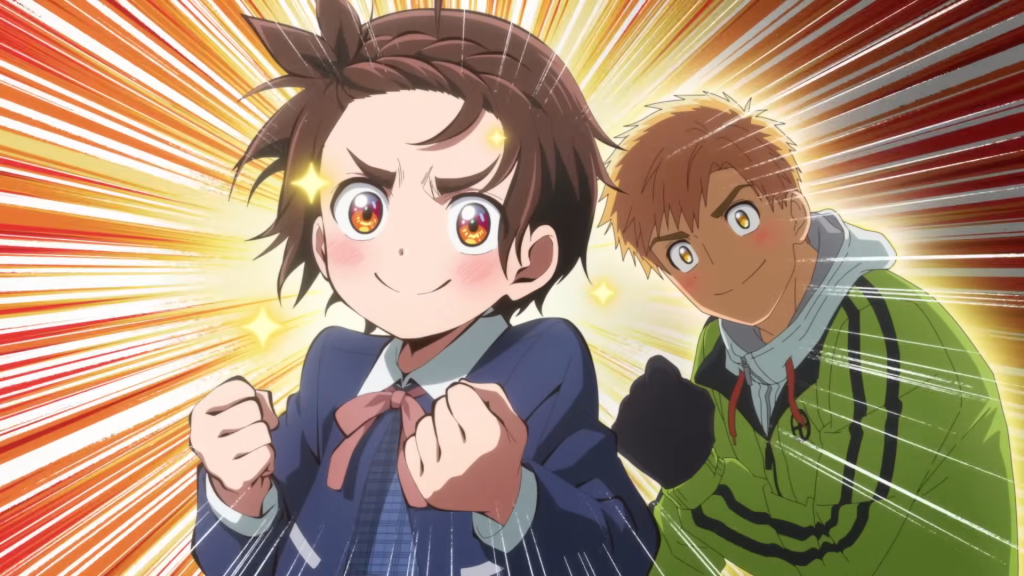
Medalist (Season 2)
There’s a certain line that stuck with me from the show, when a clueless member of the audience innocently asks the guy beside him what was so interesting about figure skating. And the answer was: “It’s a sport where miracles constantly happen.”
Because just standing on the ice is already difficult. Let alone to spin, dance and jump while still landing on your feet. In fact, it’s expected that skaters will make mistakes, even in the highest rungs of professional sport. It’s just that hard.
But still, the skaters try anyway. We’ve heard so many pieces of fiction tell us to believe in ourselves. Keep working hard to achieve our dreams. What Medalist does differently is how it contextualizes failure. It’s not shy about telling you that you will make mistakes. But it’s okay to slip and fall. All you have to do is get back up and dust the ice off your clothes, then try again. That’s exactly the mindset that coach Tsukasa drilled into Inori, and their faith in each other continues to be one of the most uplifting teacher-student dynamics in fiction.
Believe in yourself, and believe that others believe in you. Sometimes that vote of confidence is all you need to make the miracles happen.
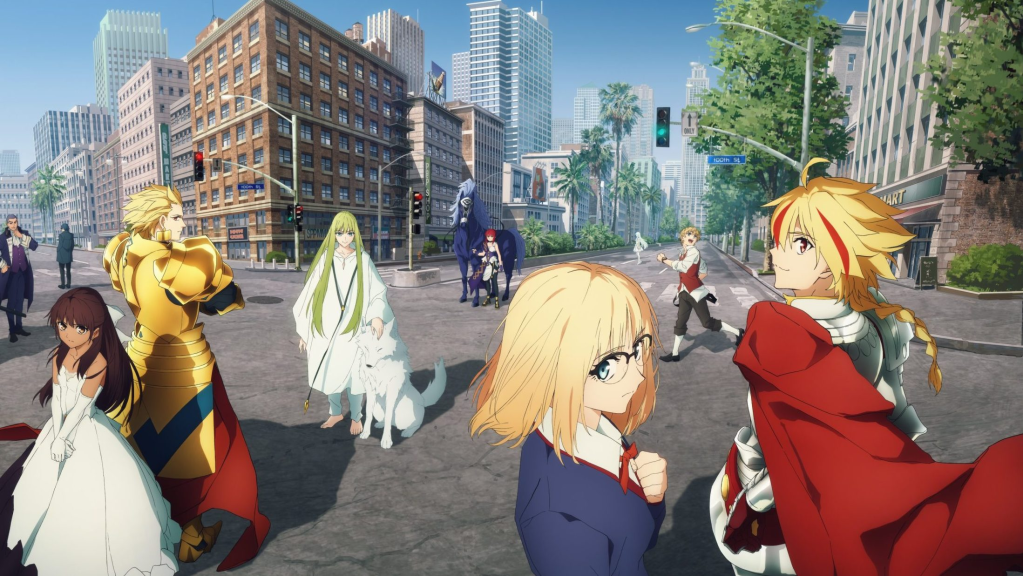
Fate/strange Fake
Honestly, the setup for the Holy Grail War was tailor made for Ryohgo Narita. Fate is all about the clashes between heroes of yore and mages, the sparks flying between all these larger-than-life personalities. That is precisely the wheelhouse of the writer of series such as Baccano and Durarara.
For the uninitiated, Fate/strange fake should be enjoyable enough as a battle royale following an ensemble cast of quirky, interesting figures, all following their own agendas as they wreak havoc on an unsuspecting city. But for long-time fans of the franchise and the greater Nasuverse, this is the wildest ride yet! The Holy Grail War always has its fair share of participants breaking the rules, but here everyone is openly, recklessly, jovially grinding those rules into dust. For example, there’s a Master who ensured the obedience of his Servant by USING UP ALL HIS COMMAND SEALS. If that sentence made any sense to you, you are probably going “wait, what?”
This also means that Fate/strange fake eschews the long games of subterfuge and secrecy of other Fate series, and has the fights erupt frequently and violently, with A-1 bringing its A-game (heh) in showcasing the scale of the ensuing destruction. It’s very fun to watch.
About the only thing “lacking” in this first season is relative paucity of the philosophical debates and character explorations the Fate franchise is known for, but that’s perhaps to be expected given that we’ve barely edged past the starting line with what the first season has covered. With the characters and situation established already, I expect more of that kind of dialogue in a potential second season.
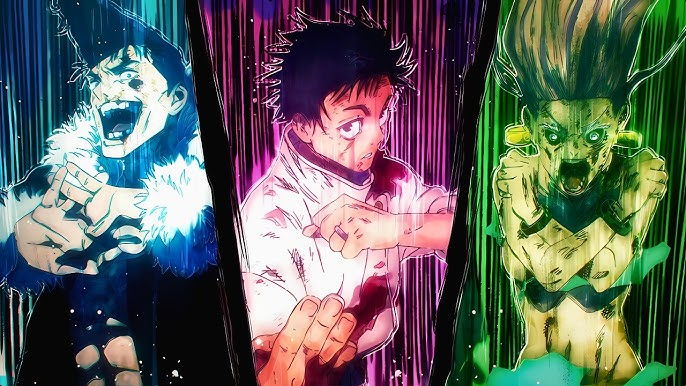
Jujutsu Kaisen: The Culling Game Part 1
Part 1 of The Culling Game arc introduced Higuruma, a lawyer disillusioned with the justice system and seeks to use sorcery to punish evildoers in what he deems is a more fair manner. He’s one of my favorite characters in the series and he was given one hell of an introduction.
But he’s not why this arc of Jujutsu Kaisen made the list. No, the one thing that made JJK stand out the are the mind-blowing action scenes. And I do mean mind-blowing because nearly every episode, whole teams of artists probably wrecked their fingers as they animated some unholy fusion of martial arts wuxia and flashy anime superpowers. Punches start getting thrown, and energy blasts get fired, and before you know it you’re going “holy shit” every few seconds as your jaw begs for the floor.
It’s seriously got some of the best action animation you’ve ever laid your eyes on. I’m a simple man who’s a simple fan of that bare essence of battle shonen.
Frieren: Journey’s End (Season 2)
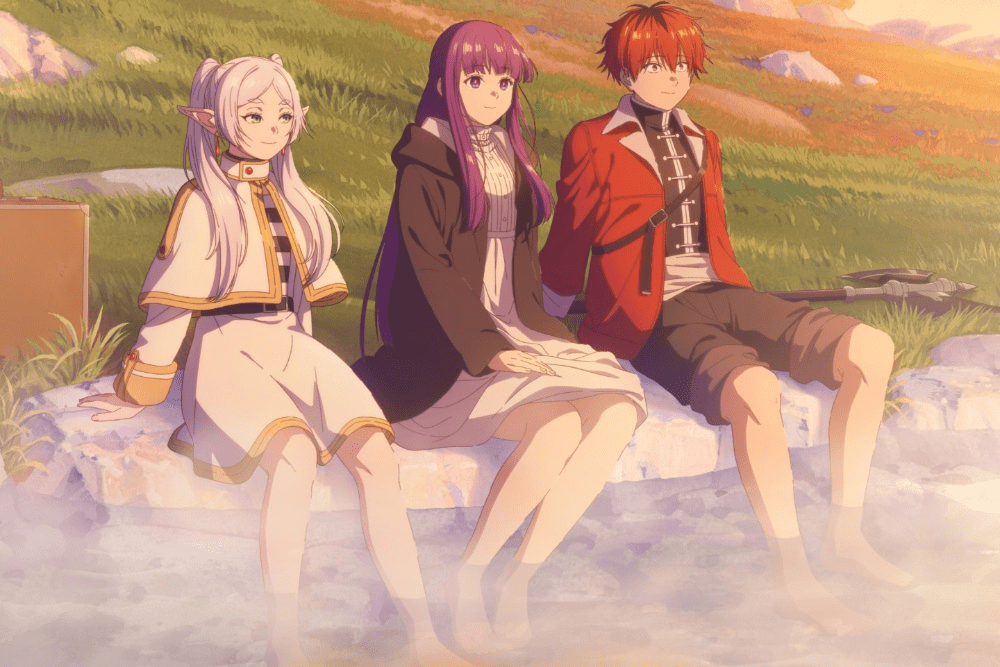
Frieren: Journey’s End gets its fair share of lusciously animated action whenever the titular Frieren decides to get a little dangerous, but in contrast to Jujutsu Kaisen above, the battles are not the highlights of the adventure, merely just parts of it.
To put it another way… I always think the best way to play an RPG is to live in the world as much as you can. Chat up the NPCs and learn how they’re ambling about their daily lives. Help find lost kittens and gather medicinal herbs. Find a hidden dungeon or two, completely map them out and score that sweet loot.
This season of Frieren: Journey’s End understands that feeling perfectly. In fact, it doesn’t even really have a driving plot; it simply chronicles Frieren, Fern and Stark continuing their journey to the end of the world. We see the towns they stop at, whose residents they help in various ways. Sometimes they stumble into beautiful crystal veins, or hidden hot springs, and they kick back and take in the sights. I enjoy the heat of battle, but I cherish these quieter moments just as much, especially when it deepens the relationships between the characters. It is nice to see them discover reasons for appreciating each other.
Adventure is all about enjoying the side quests and companionship. They’re what make the journey so meaningful.
Golden Kamuy: The Final Season
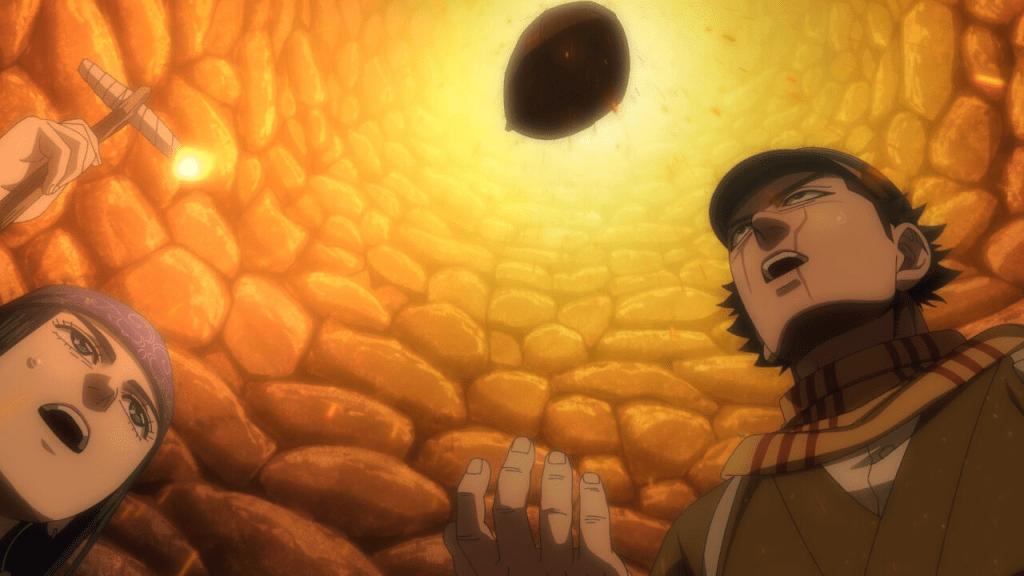
It’s crazy to think we are finally headed towards the conclusion of this story, which only be called, even charitably, batshit insane. Consider its very premise: there is a treasure trove of gold hidden somewhere in Japan, and in order for various interested parties to acquire it, they need to hunt down heinous criminals who have escaped from a maximum security prison, as the parts of the proverbial “treasure map” was tattooed on their bodies. Either these escapees come willingly (yeah right) or you have to literally peel the skin off them.
As you might have guessed, Golden Kamuy does not shy away from the macabre or grotesque. Or more generally, it’s happy to span the entire length of the weirdness spectrum. This is an anime where two characters could be carving chunks of flesh out of each other in gruesome detail in one scene, then having a merry exchange of dick jokes in the next. Or perhaps discuss the struggles of cultural minorities in shogunate Japan, while some people are getting smashed on “traditional herbal medicine” in the background. The way it barrels from silly to serious can be a bit disorienting, but I personally loved how broken its brakes were.
It helps that past all the vulgarities and gore is a legitimately gripping battle of convictions and wit. Finding and deciphering the maps quickly becomes this chaotic mess of violence and deceit. Characters form and destroy alliances with alarming frequency in their chase for that gold, and even now in this final season we truly do not know where the pendulum will swing. The characters also have surprising depth despite what their comically exaggerated personalities might suggest, and often you can sympathize with their near-maniacal drive for the treasure.
It really is quite hard to summarize this anime, especially so within the confines of one blurb in an end-of-season blog post. It’s an eclectic mix of oddball experiences that you have to try for yourself to see if you can stomach it, let alone like it. At least from my perspective, it is a singular story. Like Tatami Galaxy or Jojo’s Bizarre Adventure, there’s nothing quite like Golden Kamuy out there.
Journal With Witch
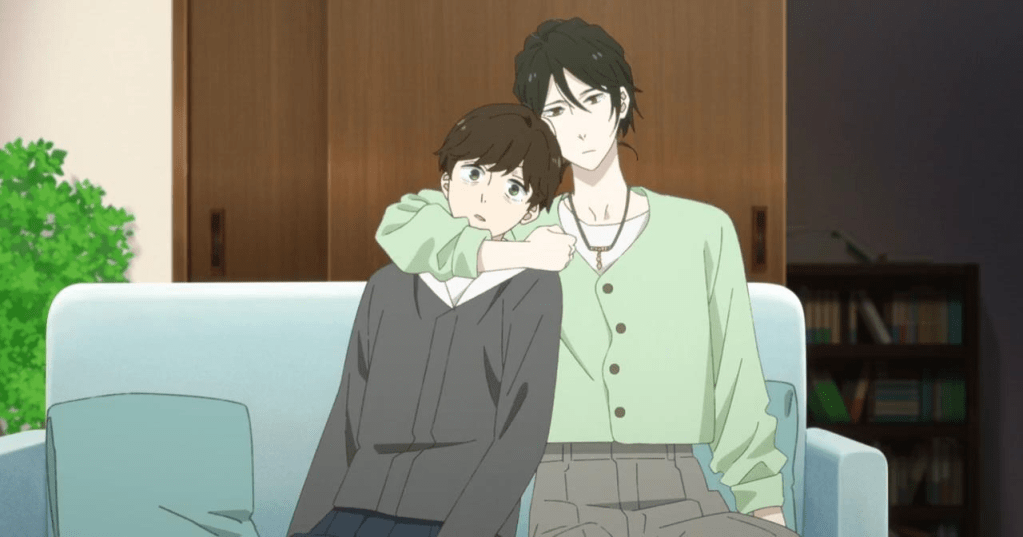
One day, a woman finds out that the sister she hated had died in an accident, and left her daughter behind. Then she somehow ends up in custody of her niece, which is no small feat for someone who considers herself difficult to be with.
You can probably guess the general thrust of the drama. Makio has to take care of the daughter of the sister she was estranged from, which dredges up unpleasant memories for her. And she’s not a people person in the first place. Meanwhile Aki has the unenviable struggle of a teenager having to process that her parents aren’t around to help her anymore.
The awkwardness between the two is palpable, and not for lack of trying. I was particularly impressed by how they portrayed Aki in her mourning. Her best friend notices she’s been sleeping more deeply and frequently. Asa tries and fails to enjoy anything she tries to do. She tries to maintain a sense of normalcy even as she feels lost and disoriented.
I was also pleasantly surprised with how Makio is written here. She explicitly says that while she is already an adult and her legal guardian, she doesn’t have all the answers. Heck, she has trouble with many aspects of life. She has trouble focusing on more than one thing at a time, and there’s quite a few parts where she forgets to take care of herself while crunching for her deadlines, let alone remembering to take care of Asa. This is much a journey for her as it is for Aki, and it’s rough going, but slowly they learn to try and figure things out together, as family they never knew they had.
I should touch on something else about this anime that I love, and that is the recurrent theme of non-conformity, that I really like. You don’t have to force yourself to get married even if your parents are pushing for it. It’s okay for a girl to be attracted to other girls. And it’s okay to be an adult who doesn’t know how to be an adult.
You And I Are Polar Opposites
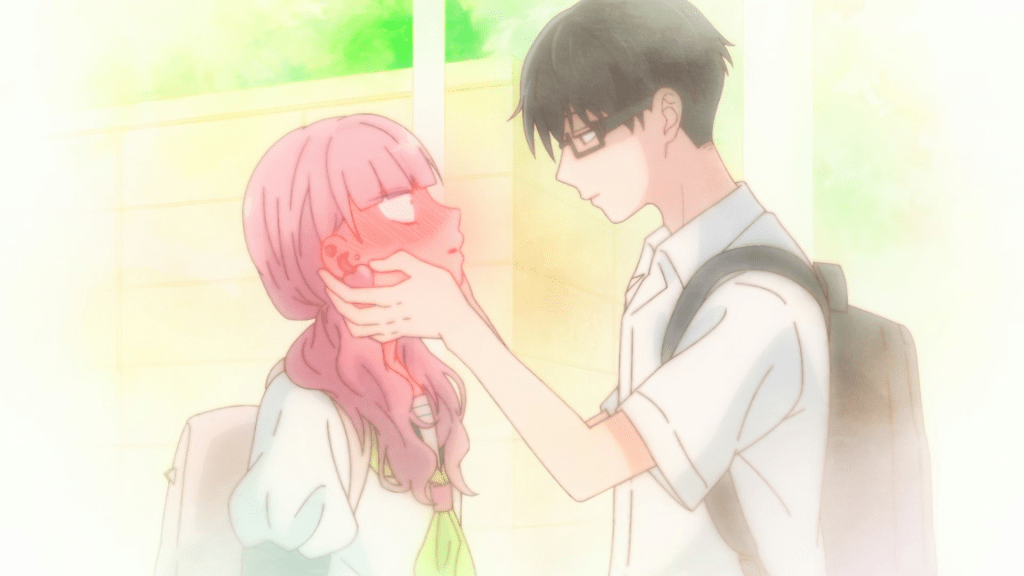
Pictured: Tani with the glasses holding Suzuki’s face. At first glance you’ll see a chipper, extroverted girl and a quiet, unassuming boy and think, yeah I know where the title comes from. Then you watch the first episode and find out that it is not, in fact, quite that straightforward.
You And I Are Polar Opposites is very much a feel-good teenage love story, which anime does have in plentiful supply. This one however distinguishes itself with its character writing, with its teenage cast feeling more grounded than the typical trope-y quirkballs of other series. Our main couple has to deal with the all-too familiar awkwardness of figuring out the right amount of closeness to each other. Googling for what to do for dates, suddenly reassessing our wardrobe choices, wanting to put our best foot forward every time, it’s all steps we’ve done before as silly clueless high schoolers.
Also fantastic is how well this anime handles its side ships. They’re given enough focus to feel like you’re getting a good grasp of their personalities and dynamics, but they complement rather than take away the attention the main pairing. I especially like how Tani and Yuzuki’s relationship adds more pep to the other would-be couples, as though their love is proof that it can work.
Last but not the least, we have to give props to this show’s production. It’s got a catchy soundtrack that I can only describe as a mix of bubbly techno and cheerful piano, which perfectly accentuates the positive emotions gushing out from the characters. The direction is also stunningly creative– if there’s a fun novel way to draw chibi Suzuki moving in a funny way, they have got you covered.
Alright, time to welcome spring.
And by all accounts it’s looking as stacked as this cour. I might be watching 40 shows again…
 quiche.cafe
Leave a comment