

Hehe. Sorry it’s late. Uhh. This is awkward. Well the title’s there. You know what you’re here for.
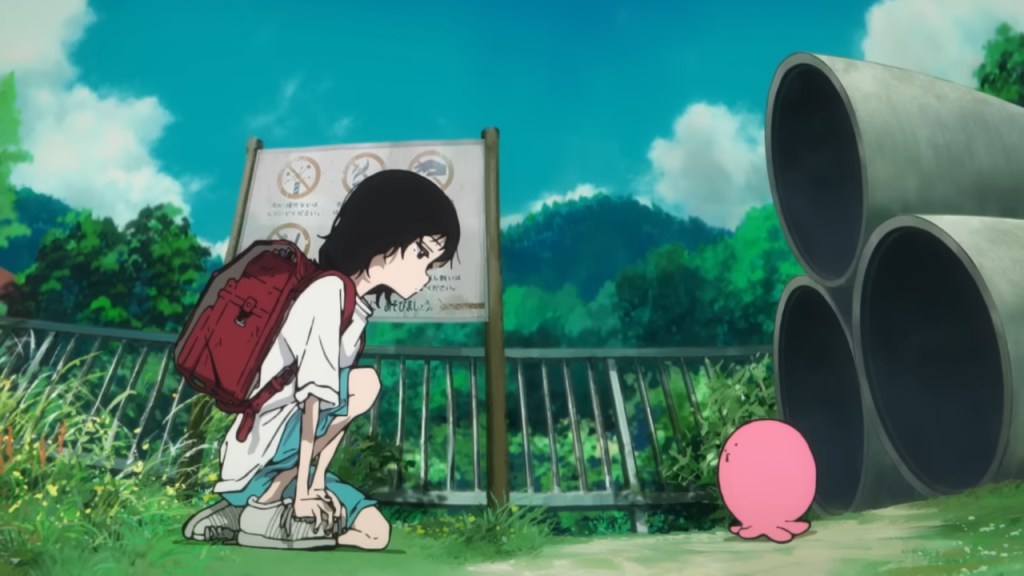
Takopi’s Original Sin
A cute squishy alien lands on Earth, befriends a local, and starts using its highly advanced gizmos to improve life for them. Sounds comfy, right? However, to the misfortune of the so-called Takopi, our friendly blob from outer space, this is not your average feel-good morning cartoon. Takopi comes from a culture where the concepts of loneliness, depression, abuse and other less savory parts of the human condition don’t exist, and thus is wholly unequipped to deal with Shizuka’s troubles. She is a broken child in an uncaring environment, and this show will make sure you will feel disgust in the pit of your stomach, at all the cruelties life throws at her. Don’t write this off as simple misery bait, either– the story wraps around itself using some of the most shocking twists of the season. It’s a veritable rollercoaster ride that will leave you wanting to queue up for another go.
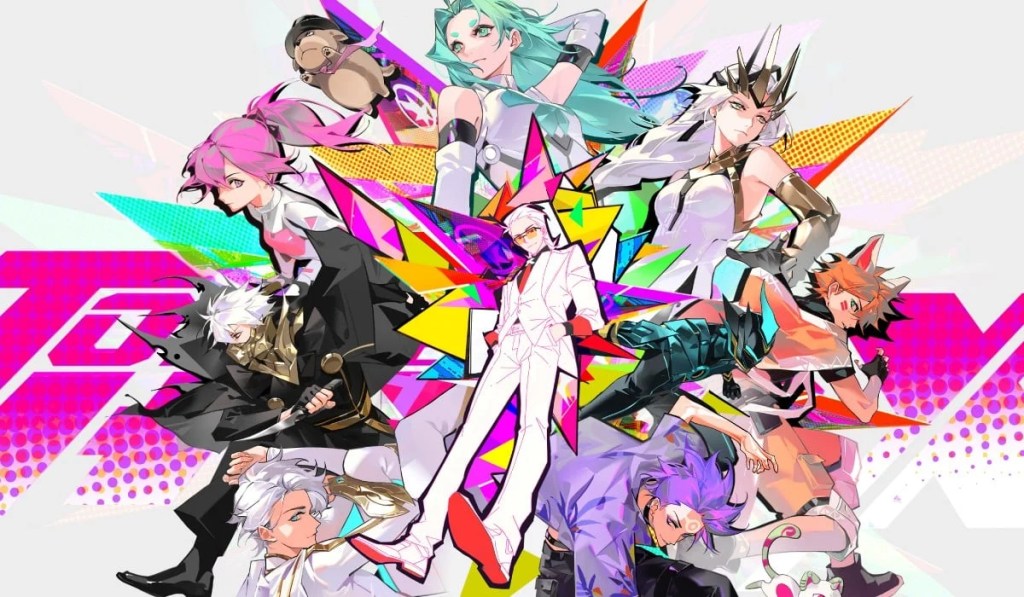
To Be Hero X
Chinese animation has been gaining some notice from the international audience, and perhaps one of its most prominent spearheads is To Be Hero X. Even a cursory glance at its (many) promotional trailers will inform you that this is a visual marvel, seamlessly blending 3D and 2D animation into pyrotechnics that could even give the likes of Spiderverse a run for their money.
But let’s move on from the style and onto the substance. To Be Hero X has a fairly novel and interesting setting where public opinion can quite literally give people superhuman abilities. Take, for example, a travel vlogger gaining the ability to teleport to any location. The show plays a lot with this core conceit, often having characters struggle with balancing their public and private personas, especially when they start bleeding into each other.
Another thing I love about TBHX is its use of an ensemble cast. We follow the stories of several heroes who are slated to participate in a certain tournament, and each one is only aware of a small portion of the overarching story. If you are a fan of following multiple perspectives and uncovering hidden motivations and conspiracies, this is an anime for you.
The one major drawback is that the 24 episodes that are currently out are essentially just prologue to the actual tournament. Though with how popular the series got, it’s only a matter of waiting for the explosive conclusion.
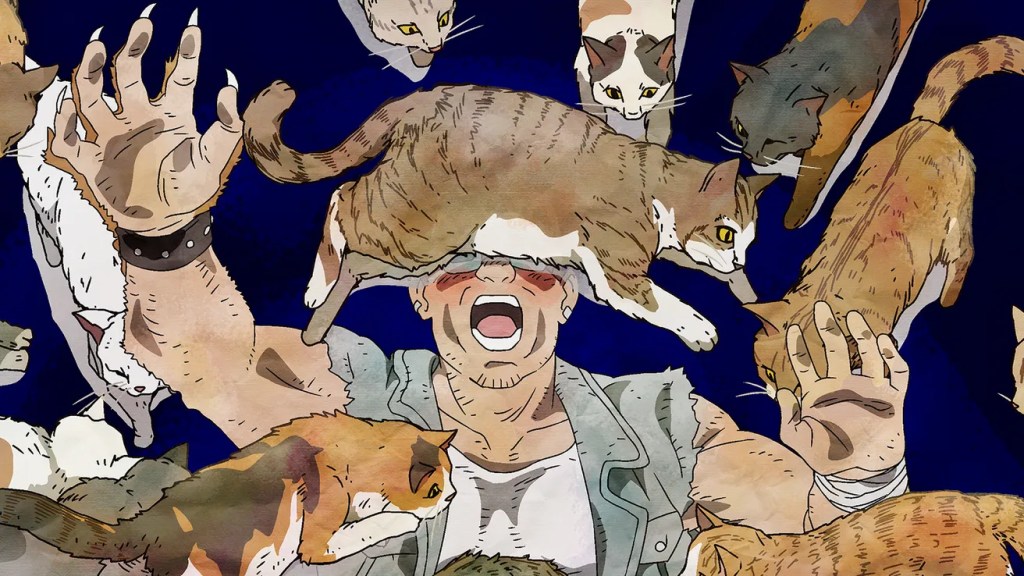
Nyaight of the Living Cat
Zombie apocalypse except replace the zombies with cats, that can turn you into their fellow cats. The kitty apocalypse succeeds because no one dares kill the adorable creatures. Awww. I expected the joke to wear thin quickly, but the writer somehow squeezes more off-kilter gags from the central theme than I imagined possible. Never has using a laser pointer to distract kitty cats looked so badass. The anime does have other types of jokes to mix thing up. The American pop culture references in particular are hilarious, from cameos of Freddie Mercury and The Rock, to a certain character speaking entirely with somewhat relevant movie quotes.
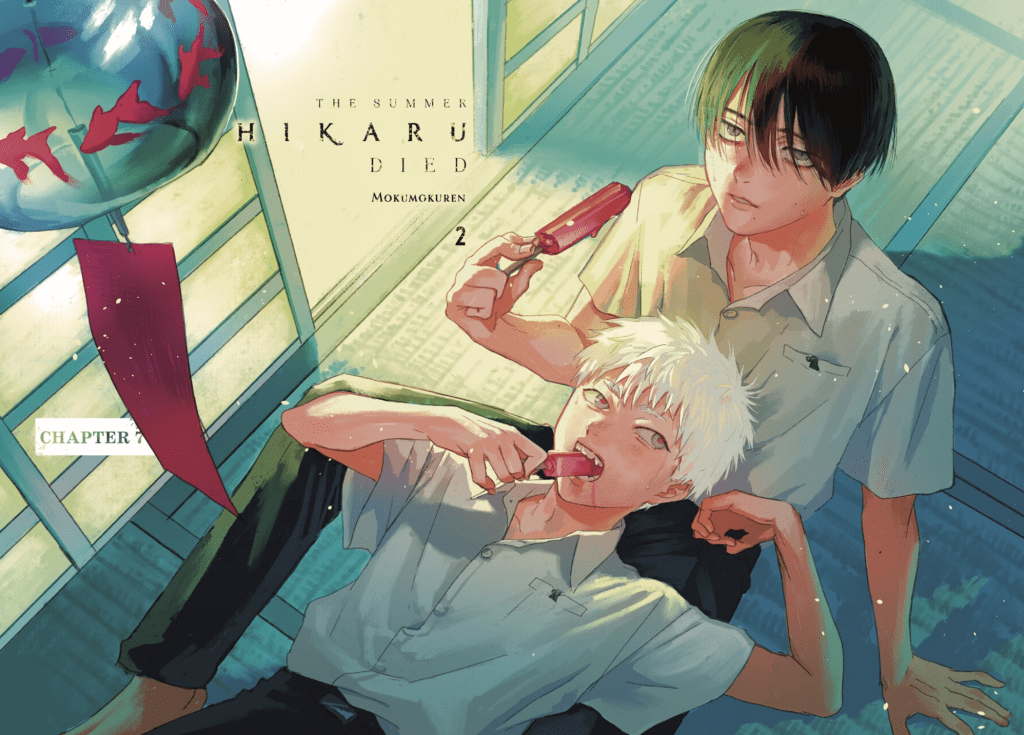
The Summer Hikaru Died
It instantly hooks you with its premise– Hikaru is dead, but there’s still a Hikaru walking around town and going to school. His best friend, Yoshiki, sees through the charade, and confronts the being pretending to be Hikaru about it, mere minutes into the first episode.
The horror genre has always been a hotbed of oddball ideas, and I think that a show that places the proverbial monster front and center instead of hiding it away like a jack-in-the-box is intriguing. Yoshiki not only knows that the current Hikaru is a supernatural entity, he actively wants to keep him around. Because having a ghost of Hikaru is better than not having Hikaru at all.
This all boils into a fascinating dynamic where the phantom Hikaru tries to adapt to human sensibilities and morality, and all the while Yoshiki is running away from his grief, and also other emotions that suddenly had nowhere to go. There’s an ever-present dread that the precarious balance they’ve made for themselves will crash any time and cause shit to really hit the fan.
There’s also a persistent, underlying theme about people trying to hide who they really are for fear of reprisal, whether it’s suppressing your religious beliefs, or refusing to accept you’re queer. By way of classic horror, often the scariest is not the monster, but other people.
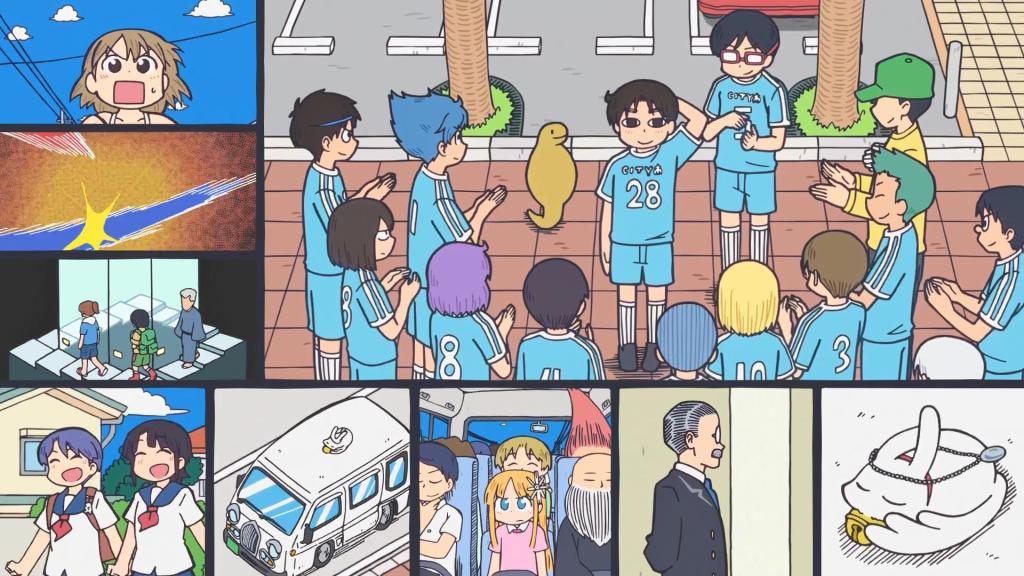
CITY
The main point here will be that CITY is not Nichijou.
This admittedly let me down a little at first. While CITY had its fair share of madcap skits, I don’t think I’ve ever busted my gut watching the show. It was still funny, mind you! I was still chuckling a lot, but I’d expected something, uhh, more.
I don’t quite remember when and how it happened, but at some point just seeing the characters would make me smile. And that’s when CITY clicked for me. I actually liked the characters for who they were rather than what jokes they facilitated. My best girl, Wako, exemplified this the most by using her unusual talent at trolling people to… make people happy? Aww! This anime has its moments of absurdity and quirkiness, but it’s more focused on making you feel like you’re part of a neighborhood. Like you’re part of a community, weirdos they may be.
Again, CITY is not Nichijou. But it’s not lesser. (P.S. Especially when it comes to the animation. Even butter would blush at smooth it is.)
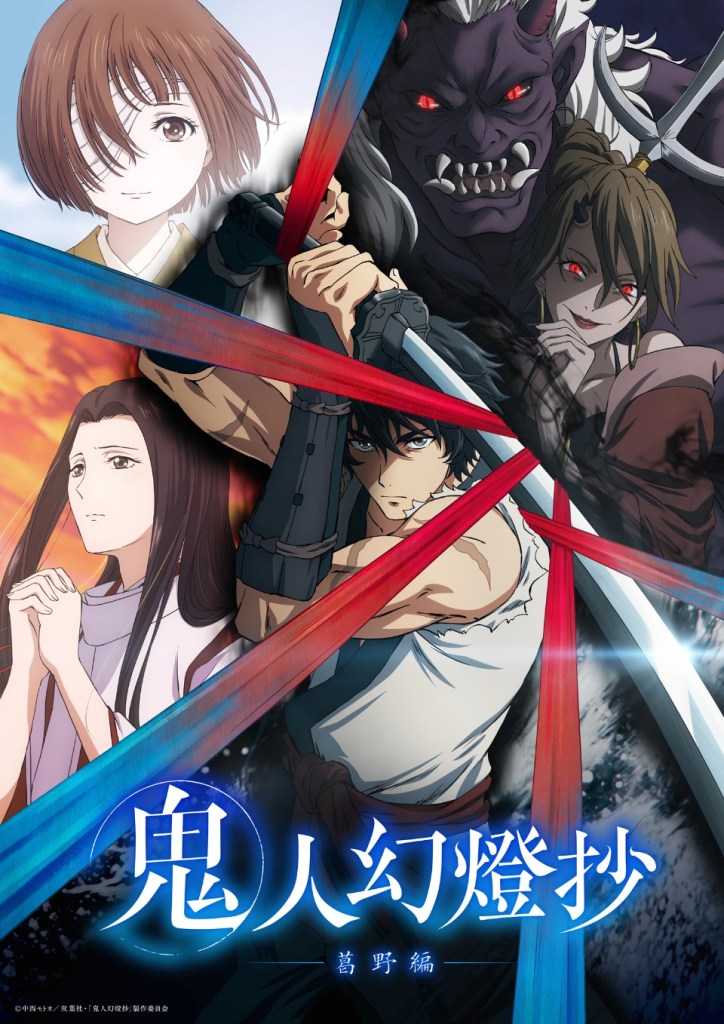
Sword of the Demon Hunter
This is a hard one to sell because its elevator pitch is rather ordinary. It starts with a village being attacked by demons, wherein a samurai named Jinta fails to save his lover and is turned into a demon himself. However, he retains his sense of humanity and seeks vengeance against other demons. The production values are middling too.
So what makes it stand out from the crowd? Nothing but the beauty of the writing. The title makes this sound like a splatterhouse slaughterfest, but it is more interested in quiet introspection. To be a demon is to be consumed by obsession. And yet despite Jinta’s craving for revenge, he finds other things capture his attention. He believes he should have died the day his village was wiped out, and yet now he finds new reasons to live on.
The story is also told in anachronic order, and in a way we discover early on where Jinta’s journey will lead him, and the curiosity is more in how he ends up there, the way he is. The story is absolutely dense with detail, and it fully expects the viewers to pay attention. Even a simple nickname can have significant ramifications/implications ten episodes down the line. Some earth-shattering revelations I only realized after discussing the week’s episode with others. It’s great.
After the show ended I’d found out that the writer was 75 years old when he begun writing the novel, and I think his wealth of experience reflects in the themes he conveys. The hardships of fatherhood. The pain of being left behind as your loved ones die. The struggle in finding the will to keep moving forward. When we hear about coming-of-age stories, we always think about how teenagers mature into adults. But as it turns out, as Sword of the Demon Hunter wants to say, there is no shortage of lessons to learn in life.
 quiche.cafe
Leave a comment