


There’s been two big constants in my entire life that to a degree have shaped me quite a bit. Well, there’s been more of them, but I’m willing to ignore them for the sake of this article and only bring them up later when they’re needed. I’m talking about Nintendo and Lego, in this case. From my first Gameboy and my first Lego car when I was a very smol egg, to today, with lots of afternoons of laying down on the floor or in my bed and staring at either a screen or a pile of colorful bricks in the decades in between.
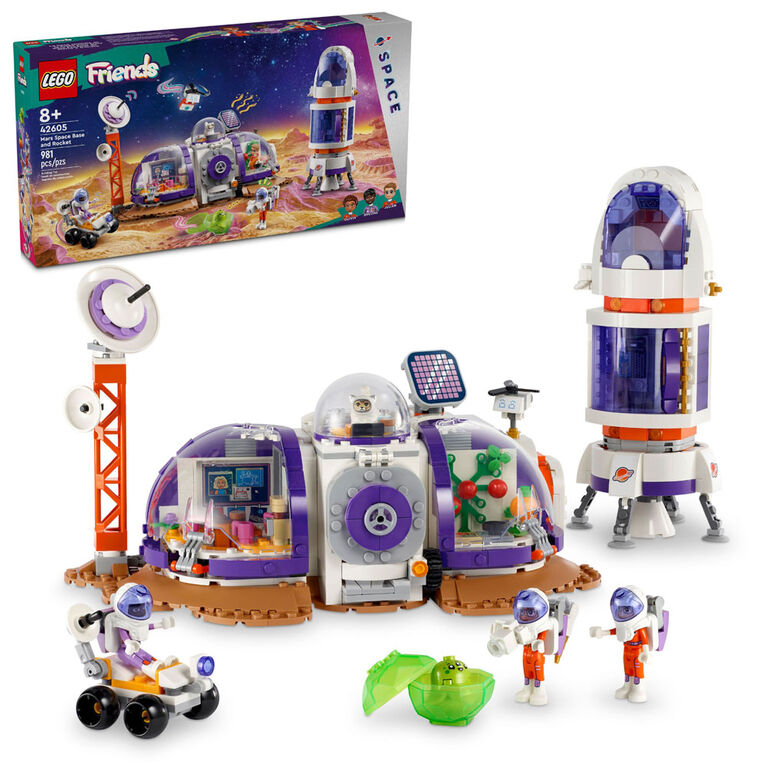
As you might expect, when Lego and Nintendo announced the release of Lego Mario I instantly became extremely excited about the crossover of two of my favorite things to waste afternoons with. I remember scouring the internet for pre-release information much like one would do for any other videogame – wanting to learn everything about the entire series and how they worked, what they could do and how they did it. And I definitely received my first sets with the same excitement I feel when I watch a new videogame finish installing.
At this point a fair question would be “TC these are weird Legos with a blocky Mario. What the fuck are you on about. You can’t be hyped about plastic bricks come on”. And it’s fair! I feel Lego Mario is a product that’s hard to understand from a cursory glance, so I’m here to bridge that gap with an unnecessary long spiel on it! But first we need to talk about paral-
Of Toys and Games
We all probably get the difference between a toy and a game to a degree. A toy is mostly a tool for play that is extremely freeform; with the use of your ✨IMAGINATION✨ you can turn that Batman figure and that Leonardo from the TMNT into an crossover for the ages never seen bef-
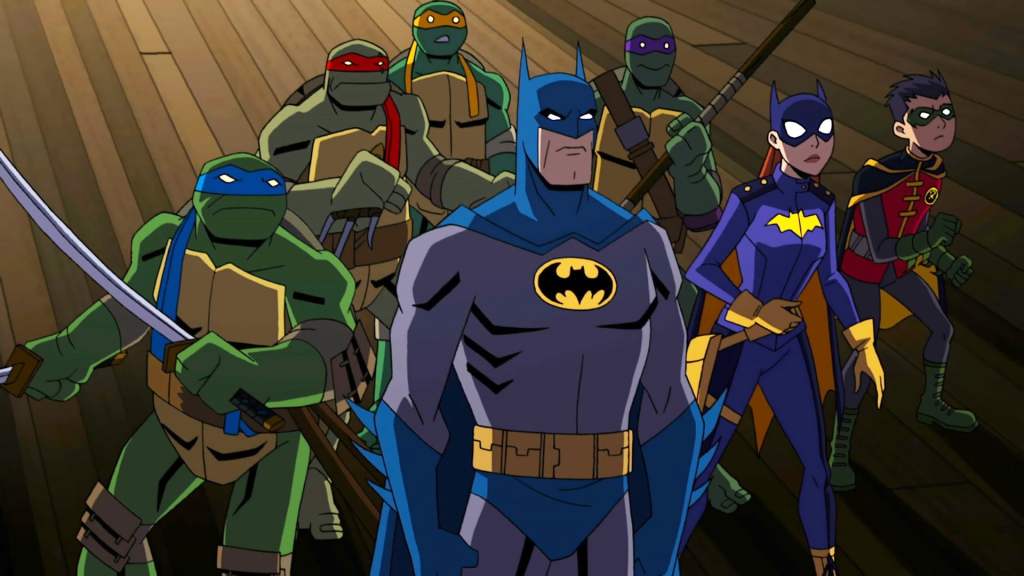
Okay so that one actually happened. But the point is, a toy is a more freeform thing; how you use it depends strictly on how much imagination you put into it. It’s an accessory to play pretend.
On the other hand, a game is usually something more strict; it has rules, it has things you can do and things you can’t do. It usually has winners and losers, and defined start and end states. Some games are extremely simple, some games are a lot more complicated, and require understanding hard rules and concepts – and some games require less imagination while others still boil down to playing pretend but with dice rolls thrown in.
There’s some vague societal concept that at some point in your life you grow old enough to pass on the toys and acting out your dream Power Rangers and Sailor Moon crossover under the Castle of the Kitchen Table; that you necessarily lose that spark of imagination as part of maturing; and that your single alternative to have a fun time is going to be more structured games, be them electronic or physical, and this is an immutable fact of society.
Growing up requires structure and order, instead of being the kid in the playground that always called being Goku and knew enough DBZ lore to beat anyone up in imaginary recess battles, you need to be held to your character sheet, or your skill pressing buttons on a controller.
Which is why Lego Mario kind of fucks a lot of things and conceptions up by being a bit of both?
By itself the three Lego Mario figures are a cool toy. Turn it on and they’ll make the voice clips and sounds you’d expect Mario and his friends to do contextually – have them move upwards and they’ll blast the well know WAHOO we all expect, put them down and they’ll fall asleep, a whole set of interactions that are pretty adorable. But this is still a toy, right? There’s no deeper gameplay to be milked out of the funny WAHOO spamming figure save for randomly turning it on to yell at your housemate, right?

All Lego Mario figures have different “games” you can play with them. The base idea for them is that you can use the different sets to build a very blocky rendition of a Mario stage, with a beginning, an end, enemies and obstacles. By placing the figure on the starting pipe, you start down an inexorable countdown (That varies depending on the specific starting pipe you use, too!). Your objective: Collect coins and reach the goal.
You collect coins by following the stage you built and “defeating” enemies and overcoming different very mechanical, physical challenges like balancing your figure on a seesaw and generally just… pretending to move your Mario around, reading some barcodes printed on defeated enemies, and finally slapping it on top of the goal. Yep.
“But TC, who’s stopping you from ignoring all of this, putting your figure on the start, jiggling it around a couple times, reading all coin barcodes, then hitting the goal?” No one. I mean this is Lego, they don’t come with an official licensed referee. You can in fact cheat.
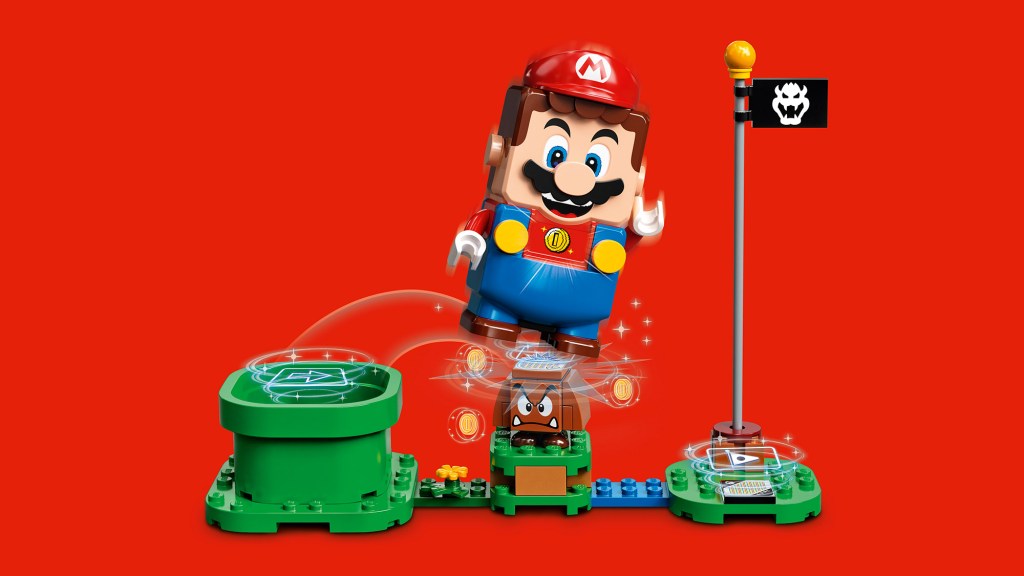
Enjoy a Lego recreation of 99% of the levels submitted to Mario Maker 2: Start, Goomba, Goal
The reality is that Lego Mario is a game that requires playing it like a toy to work. No one is going to prevent you from cheating, or making a stage specifically to score big, or anything like that – the entire thing is an exercise on assisted pretend play-ing where there’s some vague rules and the rest is you jiggling a blocky figure all over the place and smacking blocky enemies around. There’s gentle encouragements to play by the rules – you can get coins by staying on top of the colored blocks that make up the stage, pretending to move by hopping around; but that’s it.
It’s in that sense a pretty unique experience – one that probably treads too far over the hard and established game-to-toy barrier to get a lot of fans in the more traditional adulthood segment of the human population. Which brings us back to the original point I was trying to make but no one is aware of yet!
Videogames are pretty cool toys, actually
Fun exercise for the reader! Go into your favorite social media platform or message board about videogames and drop a “Videogames are toys” comment out of nowhere, and count how many people instantly hate you forever. Getting banned is worth 50 points.
Even without doing this silly experiment that will get you at least a Please refrain from inflammatory generalizations, I think we all have the knowledge that generally, calling something a toy is automatically derogatory. It’s something only kids play with, it’s not something serious, it’s a low quality time waster, right. However! Videogames aren’t that, videogames are works of ART. They’re entertainment for ADULTS, for cultured PEOPLE. Not a TOY for KIDS!
Did you know Nintendo used to be a toy maker? They were known for their playing cards, yes, but they also did a fair bit of board games and puzzle games and more hands-on toys during their day. The Nintendo Before Mario blog has a lot of those efforts documented.
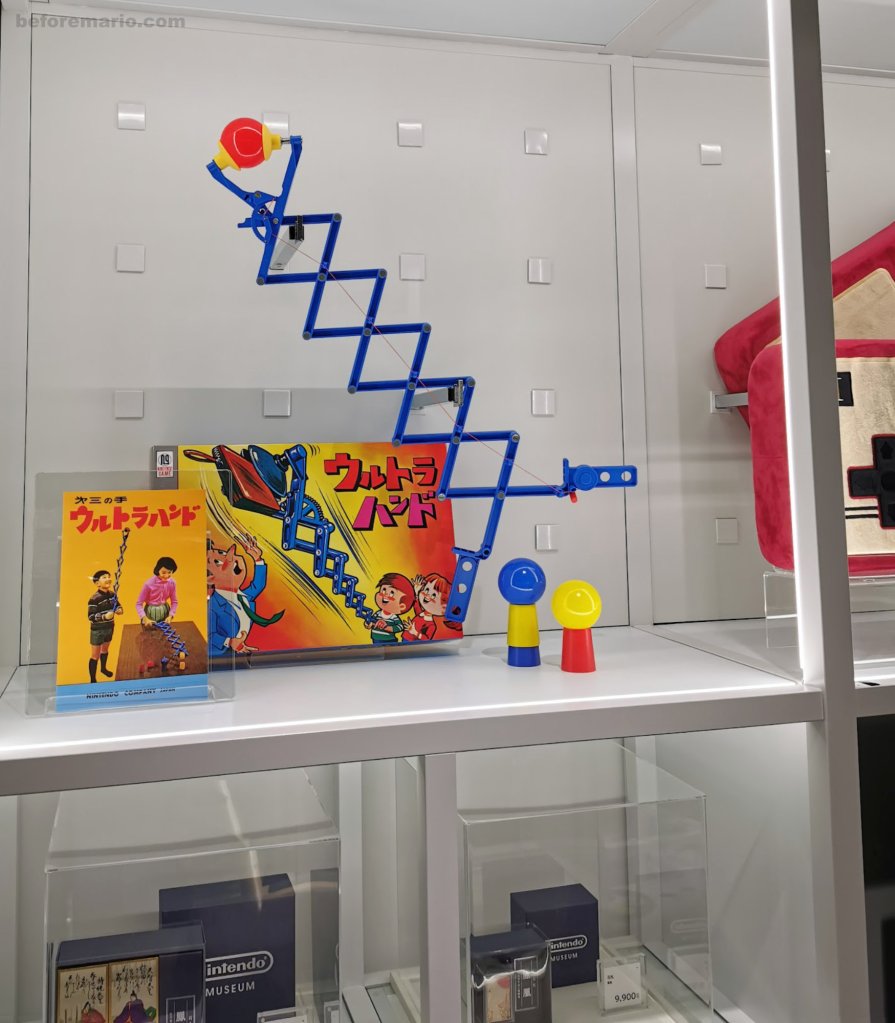
The reality is that for a company that wanted to make good, fun toys, the jump to videogames was something that made a lot of sense. Why wouldn’t it, when Videogames are nothing but very good toys? They understood that Toys can be art. And as the play artisans they were, they dived in.
Good toys that play well with letting you imagine new situations, that lend themselves to enabling that pretend play in better ways, that are engineered in interesting and intricate mechanical ways, with appealing designs, but are also technically feasible to produce and sell? Making those is a fucking art. It’s a craft that requires weaving together several disciplines with a heavy dose of inspiration and intuition.
Calling videogames toys isn’t derogatory – it’s an elevated form of appreciation. It’s recognizing that they excel as one of the pinnacles of the art of toymaking that started centuries ago.
But again, this is a thought that always gets a lot of friction when it gets shared around. Why this cognitive dissonance? Please accompany me in another dive down getting sidetracked.
The biology of play
Did you know your squishy human brain actually is built for play? There’s a lot of science on the matter, actually, and it’s not even a trait humans alone possess, with a lot of animals also engaging in playful behavior during their development.
Ancient societies made play a basic form of learning and growing up, using different games and toys to simulate and teach kids the skills they’d need to live healthy lives later. Similarly, play is something animals engage on to learn – but it’s not the single purpose of play.
Our brains require play to function, much like our body requires sugar and caffeine to do so. This is not something frivolous you can engage on for mindless recreation and that you get over with with age. This is a basic need for our soul to continue existing. This is not a thing you can pass on.
To be playful is a state where many adult humans would like to be and where most children should be.
Stephen M Siviy, on the paper linked above.
“But TC; that’s fair and all, but toys are still for kids and all. We adults play adult games like Fortnite and D&D. Lego Mario is still a cheap – no, shut the fuck up, let me finish here.
As I said before: the single difference between a toy and a game is structure. A toy requires a lot more freeform thinking, a lot more imagination, to actually work. A game has more strict rules on what you can do and what you can’t.
The main difference between playing pretend with a couple action figures/dolls and a pen and paper RPG is that the latter involves dice rolls and stat sheets. And that since you’re probably older, your ideas of how to write a coherent narrative and develop the character you’re playing are probably more elaborate.
A secondary difference would be that games let you win. There’s usually an end condition where some of the players are declared victorious, and others aren’t. Toys don’t really have much of that going on: There’s no one enforcing that the recently saved princess can’t grab a plastic sniper rifle and go on her own quest; and the villain that was vanquished behind the bed can always come back a couple months later.
But ultimately, they’re not that different, really. So why this weird cognitive dissonance in which we’ve relegated toys to “a thing for kids” and the more structured games are fine to enjoy as an adult?
I can’t believe it was capitalism all along.
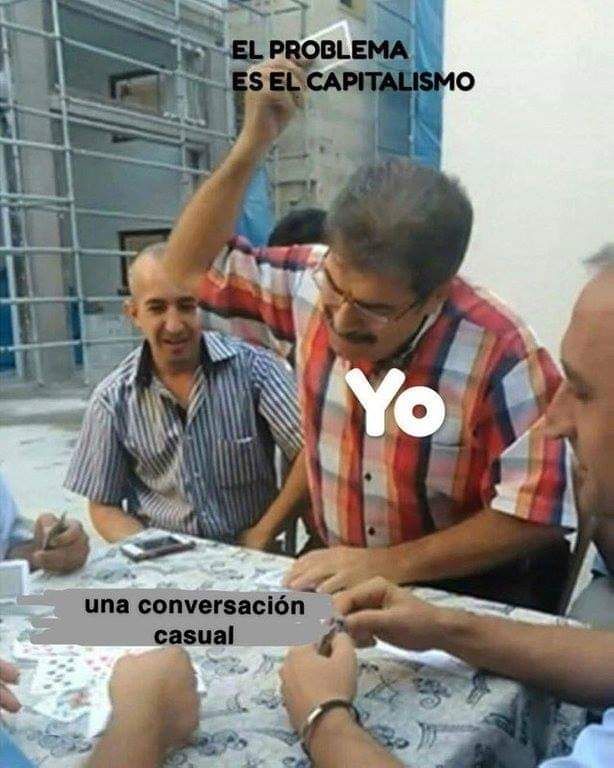
Structure. Rules. Winners and losers. Scheduled play sessions with defined starts and ends. These aren’t elements required for play. Yet they’re required to mark the passage from being a kid to an adult in our play activities. This is intentional. At some point our society forgo having actual rites of passage into adulthood and replaced them with being ready to be ground on the ruthless machinery of capitalism.
Becoming this fake adult means playtime is over, imagination is not required, and you are now someone that can follow orders and get in line at your cubicle and file your taxes. Even if you’re privileged enough to have a job that requires a creative mind, it needs to be contained and restrained to what the corporate world wants out of it – no elaborate narratives going on in that insurance ad you’re putting together. And if at any point you can be replaced by a tool, you will.
Yet our free time also needs to be regarded as frivolous entertainment and a waste of time, a period in which we aren’t productive, a weakness. A concession to our own mortal coil we need to feel bad about, before we go back to the paperwork mines.
Doesn’t all of this kind of suck extremely hard? Our concept of play is one of those things our brains want to do naturally, that we have specifically evolved brain juices to deal with, yet it’s also something that needs to either be beaten up out of us to feed whatever hellish society we have going on, or at least contained in the most strictly regulated ways possible, using the old strategy of societal shame to do so. Stay in your lane, lest you be branded “weird” by your peers.
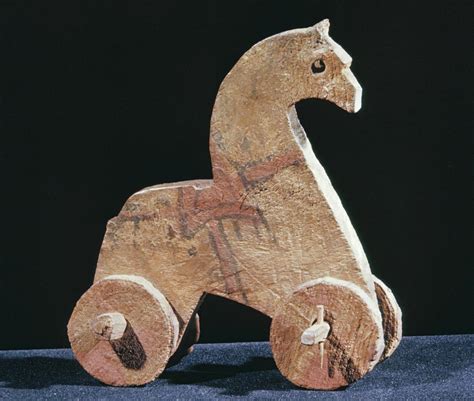
The reality is that if we look back to what came before this society happened to find us is that people rarely grew out of play. With it being considered as much of a learning experience as it was brain mandated fun, a lot of adults engaged in play activities with the younger ones, in a position closer to a game master or organizer – and their adulthood wasn’t compromised in the process.
A lot of people, a lot of them way smarter than me (and honestly also a lot of them that are dumber, but let’s also pretend those don’t exist, too) talk a lot about how to fix the current system at the big brain levels. Seizing the means of production, socializing our resources, defunding the police, or whatever. Sweeping societal changes need to be organized based on our past learned lessons and all, with all the care in the world.
But at the deeper, personal level, if any rebellion against the current system has to happen, it has to start with our own brains. “Kill the cop in your head” is a phrase that gets thrown a lot – because honestly it sounds cool. There’s killing cops involved, come on! – that basically means that imagining how a post-police society would work requires also reevaluating a lot of internalized “truths” about its function in society.
I am now begging you to start killing the fake adult in your head, right now. Grab whatever toy adjacent thing you can find and play. Even a videogame, which as we established, is a fucking great toy. Give your old transformers or barbies a new spin through town. Roleplay your Pokemon journey by keeping a fake journal of your mute protagonist’s thoughts and dreams. Use your newfound lore knowledge to enact your dream Batman x TMNT crossover that was never written. At first it might feel silly, or weird. “I shouldn’t be doing this”. But I guarantee you that when you’re a couple minutes in, you’ll be too busy having fun to care.
And, maybe afterwards, give Lego Mario a spin, for being a concept that threads the game-toy barrier so closely that it shows the cracks on the fabric of our imposed reality.

 quiche.cafe
Leave a comment